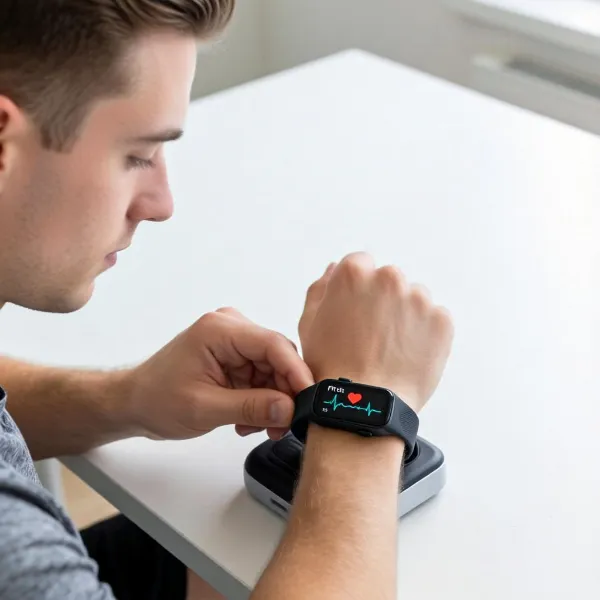
Can Fitbit track your heart rate accurately?
Yes, many Fitbit devices monitor heart rate, but what you can do with that data depends on the model. For everyday use, Fitbit is most helpful for checking your current pulse, following resting heart rate trends, pacing workouts, and adding context to sleep or recovery. Treat it as a wellness and fitness tool, not as a medical monitor.
How Fitbit monitors heart rate
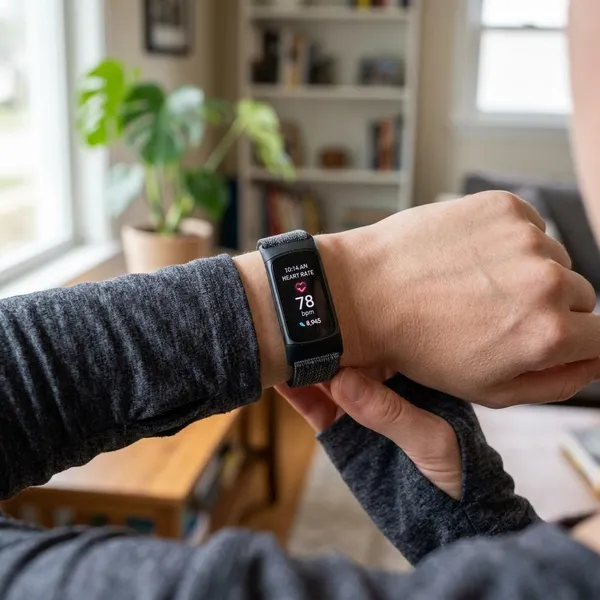
Fitbit reads heart rate from your wrist using sensors on the back of the device. The most important thing to know first is simple: the sensor needs steady contact with your skin. A loose band, a shifting watch, or a sweaty workout can affect the reading more than many people expect.
Fitbit uses optical sensors on the wrist
Fitbit heart rate tracking is usually based on optical sensors. These sensors shine light into the skin and estimate your pulse by reading changes in blood flow at the wrist.
Heart rate is tracked during the day and workouts
On supported models, Fitbit can track heart rate in the background during normal daily use, workouts, and sleep. That means it can collect more than a single snapshot; it can build a pattern across your day.
What heart rate data Fitbit can show
Fitbit heart rate data is most useful when you separate “right now” readings from long-term trends. A current heart rate can help during a workout or stressful moment, while resting heart rate is better for noticing gradual changes over days and weeks.
Current heart rate shows what is happening now
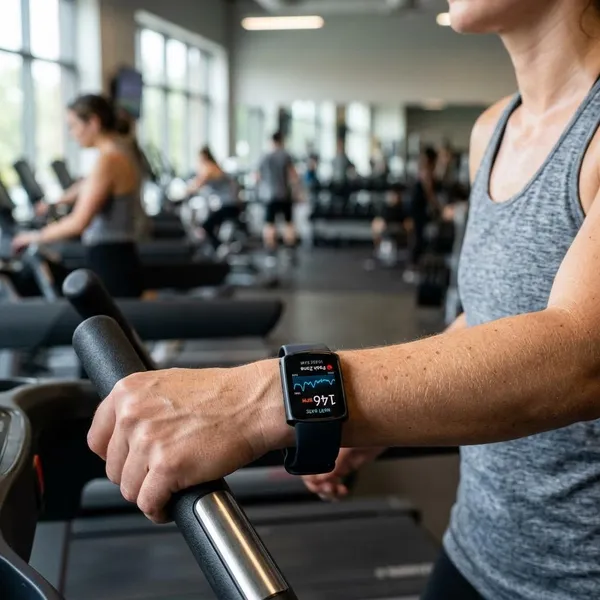
Current heart rate is the live or near-live number you see on the device or in the app. It should usually rise when you climb stairs, walk quickly, exercise, or feel stressed, and settle lower when you rest.
Resting heart rate shows your baseline over time
Resting heart rate is more about your usual baseline than one moment. Fitbit estimates it from calmer periods, often including sleep, so it can be easier to compare from day to day.
- A gradual drop may line up with better cardio fitness.
- A sudden rise may happen with poor sleep, stress, illness, dehydration, or overtraining.
- One odd day matters less than a pattern that keeps repeating.
What else Fitbit may track with heart data
Heart rate also supports other Fitbit features. This is where the data becomes more practical: it can help explain sleep quality, exercise intensity, and, on some devices, possible rhythm-related alerts.
Sleep tracking can use heart rate patterns
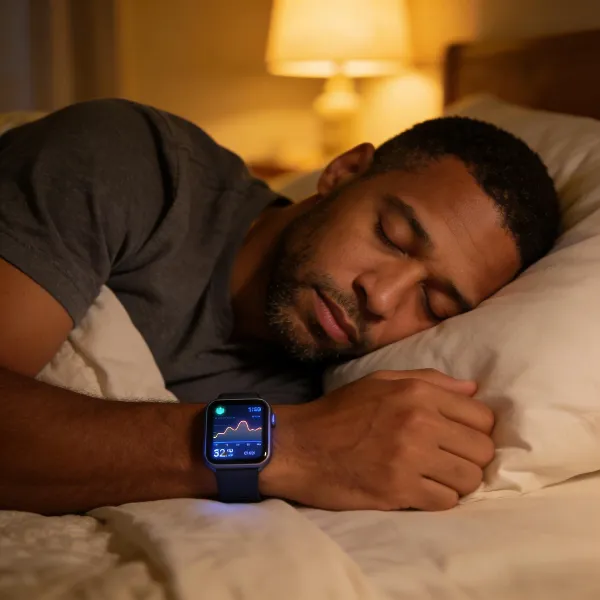
Fitbit sleep tracking may combine movement with heart rate patterns to estimate sleep stages and overnight changes. If your total sleep time looks fine but your overnight heart rate is higher than usual, that can give useful context for why you still feel tired.
This is especially helpful when habits change. A late meal, alcohol, stress, caffeine, or an inconsistent bedtime may not feel dramatic in the moment, but the next morning’s sleep and heart rate data can make the pattern easier to spot.
Active Zone Minutes use heart rate zones
Active Zone Minutes use heart rate zones to estimate when your activity reaches a higher effort level. This is useful if steps alone do not tell the full story.
Some devices can check for irregular rhythm signs
Some Fitbit devices may support irregular rhythm notifications or ECG-related tools, depending on the model, region, and app support. These features can be useful for awareness, but they are not a diagnosis.
If Fitbit flags something unusual, or if you have symptoms such as chest pain, fainting, dizziness, or unusual palpitations, the safer move is to contact a healthcare professional. A normal-looking Fitbit result should not be used to rule out a medical problem.
Which Fitbit features depend on the device
Not every Fitbit has the same heart features. Before buying, decide whether you only need everyday heart rate tracking or whether advanced tools like ECG matter to you.
Basic heart rate tracking is more widely available
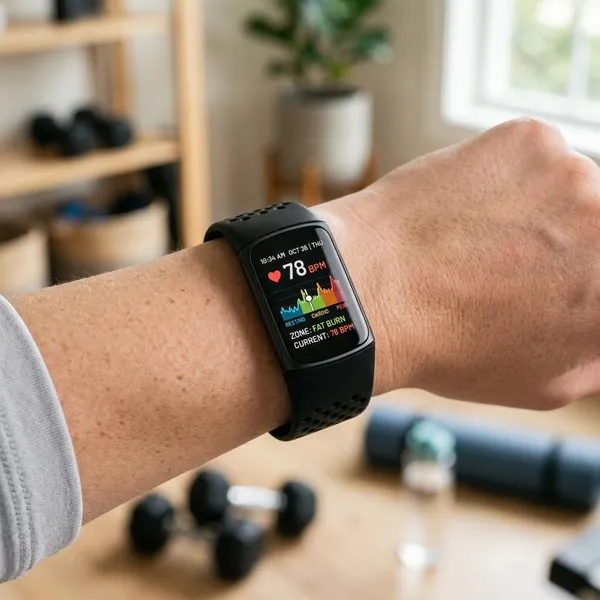
Basic heart rate tracking is available on many Fitbit models. For most people, this covers the practical basics: all-day pulse tracking, workout heart rate, resting heart rate, sleep support, and heart-rate-based activity zones.
ECG is only available on compatible models
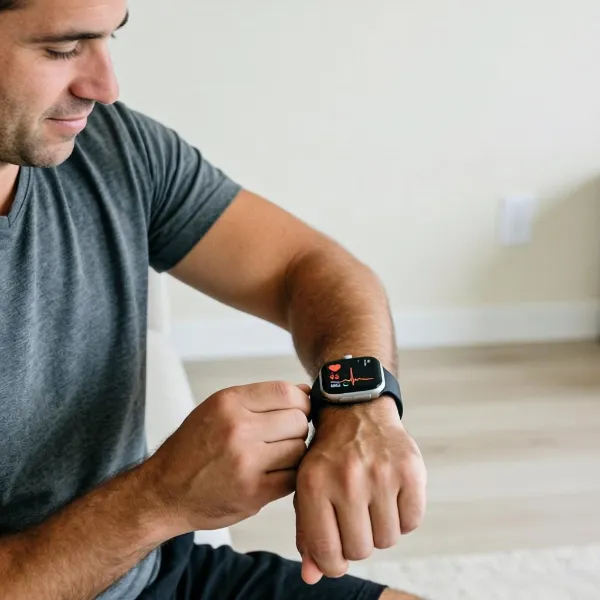
ECG is different from normal optical heart rate tracking. It requires compatible hardware and usually involves a guided check while you sit still and follow instructions in the app.
If ECG is a priority, check the exact Fitbit model and your region before buying. Do not assume that every Fitbit with heart rate monitoring also includes ECG.
How accurate Fitbit heart rate tracking is
Fitbit heart rate readings are usually most useful for general trends, steady exercise, and everyday awareness. They are less dependable when you need medical-grade precision or second-by-second accuracy during intense movement.
Fitbit is usually more reliable at rest
Fitbit tends to be more reliable when you are resting, sleeping, or moving steadily. The sensor has an easier job when your wrist is not bouncing, gripping, twisting, or changing direction quickly.
That is why resting heart rate trends can be more useful than obsessing over one workout spike. A calm morning baseline over several weeks often tells you more than a single odd number during a hard session.
Fast arm movement can reduce accuracy
Fast arm movement can make wrist heart rate readings less precise. Activities like boxing workouts, HIIT, rowing, tennis, kettlebell swings, and weight training can cause delays or jumpy numbers.
A better fit can improve readings
A secure fit is the easiest fix to try when readings look wrong. Wear the Fitbit snugly enough that it does not slide around, but not so tight that it feels uncomfortable.
- Move it slightly above the wrist bone during workouts.
- Tighten it for exercise if it normally sits loose.
- Clean the sensor if sweat, lotion, or dust builds up.
- Pause before judging a spike if the number jumps during fast movement.
What Fitbit heart rate data is useful for
The best use of Fitbit heart rate data is decision-making, not number-chasing. It can help you pace exercise, notice long-term changes, and connect sleep or recovery habits with how you feel.
Workouts become easier to pace with zones
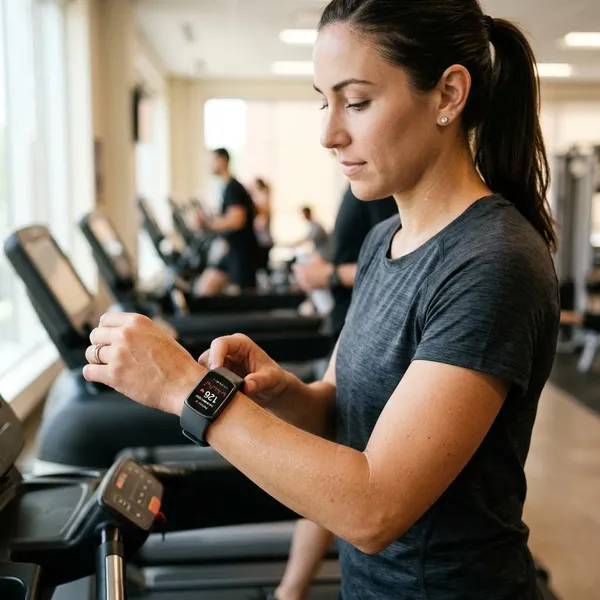
Heart rate zones make workouts easier to judge because they show effort relative to your own body. A brisk walk may be plenty for someone starting over after a long break, while a fitter person may need hills, jogging, or intervals to reach the same zone.
Resting heart rate can show long term trends
Resting heart rate is useful for spotting longer-term patterns. A slow change over weeks can be more meaningful than a single high or low day.
For someone using Fitbit mainly for wellness, this may be the most helpful heart metric. If your resting heart rate rises while your sleep gets worse and your energy drops, that combination gives you a stronger reason to rest, hydrate, or reduce training intensity for a few days.
Sleep and recovery data add more context
Sleep and recovery data make heart rate easier to interpret. A higher overnight heart rate after a stressful day does not automatically mean something is wrong, but it can explain why you feel less rested.
Conclusion
Fitbit can monitor heart rate on many devices, and for most people it is a practical way to understand effort, routines, and trends. Check the model first if you want ECG or irregular rhythm features, wear the device properly, and use the numbers as helpful context rather than final medical answers.