Samsung Watch Glucose Monitor
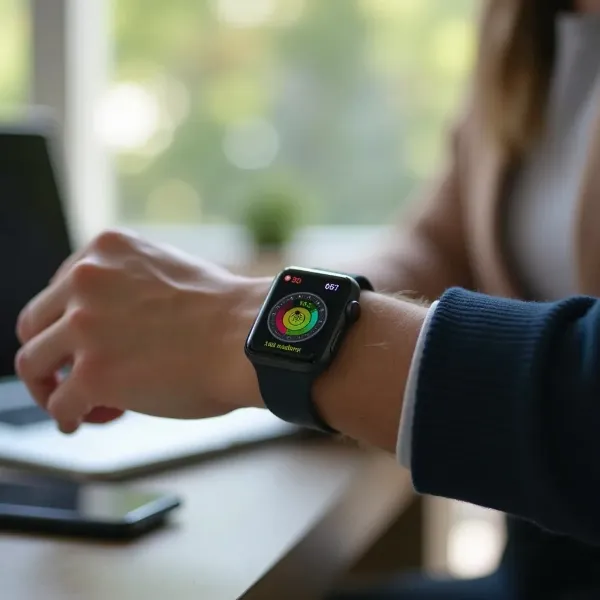
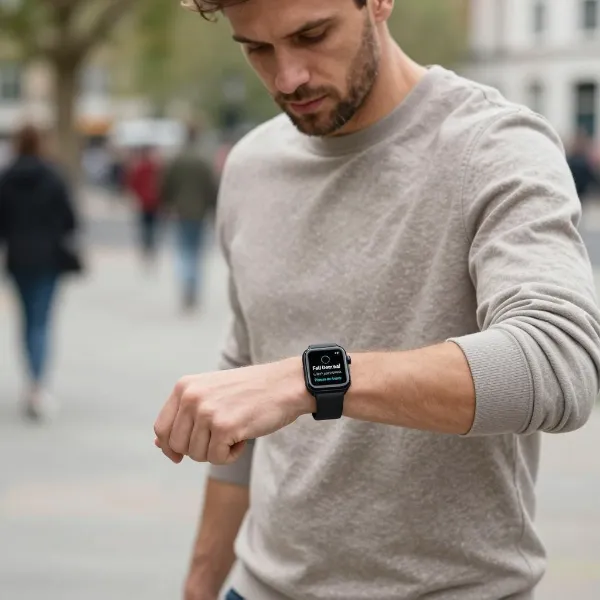
As wearable technology evolves, Samsung Galaxy Watches are becoming an essential part of many people's health routines. These smartwatches track a wide variety of data, from heart rate to sleep patterns. But what about glucose monitoring? Can your Samsung Galaxy Watch measure glucose levels? Let's take a closer look at what these watches can and cannot do when it comes to glucose monitoring, and what might be on the horizon.
Samsung Watches Do Not Measure Glucose Directly
If you've ever wondered whether your Samsung Galaxy Watch can measure your glucose levels, here's the answer: not yet. While these watches pack a punch with features like heart rate tracking and sleep analysis, glucose monitoring isn't part of the deal—at least not at this moment. Here's why:
Not a Medical Glucose Monitor
While Samsung Galaxy Watches are packed with useful health-tracking features, they aren't designed as medical devices. Medical-grade glucose monitors, like those used by people with diabetes, require specialized sensors to provide accurate and reliable results. Samsung watches, on the other hand, don't have the technology needed to measure glucose with the precision that medical devices demand. The sensors in smartwatches are better suited for general health data like heart rate and sleep, but they aren't calibrated for glucose measurement.
Samsung Health is Not Wrist-Based Glucose Tracking
Samsung Health, the companion app for Galaxy Watches, integrates all the data the watch tracks, like your steps, calories burned, and heart rate. However, it does not support direct glucose monitoring from the wrist. Instead, Samsung Health aggregates information from other apps and connected devices designed specifically for glucose tracking. So, if you want to monitor your glucose levels, you'll still need a separate, FDA-approved device for accurate readings.
What a Samsung Watch Can Do Right Now
Even though Samsung watches can't track glucose, they offer plenty of useful health features. Here's what you can expect from these devices right now:
Track Heart Rate ECG and Sleep
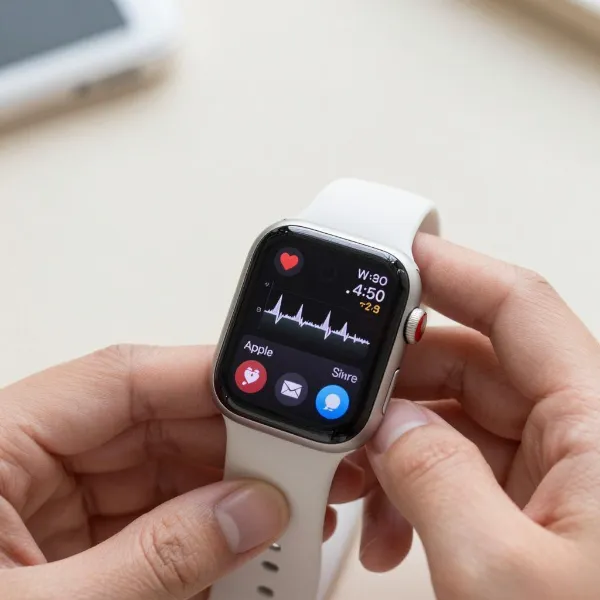
One of the main reasons people love their Samsung Galaxy Watches is the heart rate monitoring feature. These watches measure heart rate variability, which can help users track stress and fitness levels. The watches also offer ECG (electrocardiogram) readings, which can be a game-changer for people looking to monitor their heart health. Additionally, the watches track your sleep patterns, helping you understand your sleep quality and habits better. All this data feeds into the Samsung Health app, where you can see trends and make adjustments to your daily routine.
Support Health Data in Samsung Health
Samsung Health is more than just a companion app for your watch. It acts as a hub for all your health data, including activity levels, steps, calories burned, and much more. It gives you a clear overview of your fitness progress, helping you set goals and stay motivated. Whether you want to increase your step count or monitor your heart health, Samsung Health is a powerful tool for keeping track of your wellness journey.
Show Data from Connected Apps or Devices
In addition to collecting data directly from your Samsung watch, Samsung Health supports integrations with various third-party apps and devices. For example, if you use a glucose-monitoring device, you can sync that data with Samsung Health to have a comprehensive view of your health metrics. This makes it easier to see how your activity, heart rate, and glucose levels all connect, giving you more insight into your health and well-being.
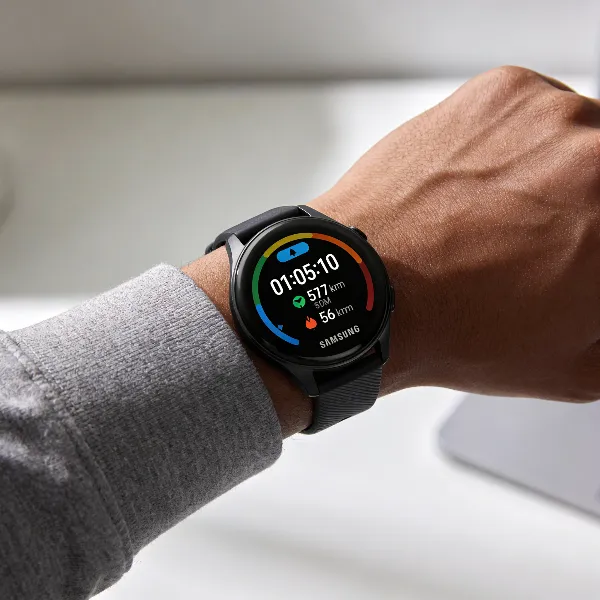
Why Samsung Watches Do Not Measure Glucose Yet
While non-invasive glucose monitoring technology has been a hot topic in recent years, it's still not available in consumer devices like smartwatches. Here's why:
Non-invasive Tracking is Hard to Make Accurate
One of the biggest challenges with glucose monitoring is achieving accurate readings without using invasive methods like finger pricks or blood draws. Smartwatches and other wearables that attempt non-invasive glucose tracking face significant hurdles because glucose molecules are tiny and difficult to measure accurately through the skin. While researchers are working on new technologies, it's a complex issue that hasn't yet been solved in a way that makes sense for consumer use.
Glucose Readings Need Clinical Accuracy
For people with diabetes, accurate glucose readings are essential for managing their condition. Even small inaccuracies can have serious consequences, which is why medical-grade glucose monitors go through extensive testing and regulation to ensure their accuracy. At this stage, Samsung watches and other smartwatches simply can't offer the clinical-level precision required to track glucose levels safely.
Research is Ahead of Products
While there is exciting research on non-invasive glucose monitoring, the technology isn't ready for prime time yet. Many scientists and tech companies are working hard to develop better solutions, but it's going to take time before these innovations make their way into products like Samsung watches. In the meantime, it's important to rely on FDA-approved devices that are designed specifically for glucose monitoring.
FDA Warning About Smartwatches and Glucose Monitoring
It's important to remember that the FDA has issued warnings regarding the use of smartwatches for glucose tracking. Here's what you should know:
Smartwatches Are Not FDA-Authorized for Glucose
Currently, no smartwatch, including Samsung Galaxy Watches, is FDA-approved to measure glucose levels. The FDA regulates medical devices to ensure they are safe and effective. Since Samsung watches aren't designed to measure glucose with the necessary accuracy, they haven't undergone the FDA approval process for this use. This means they aren't reliable enough for glucose monitoring.
Wrong Readings Can Be Dangerous
For people who rely on glucose readings to manage their diabetes, inaccurate data can be dangerous. Smartwatches are not designed to measure glucose accurately, and relying on them for such important health data could result in incorrect treatment decisions. It's essential to use a clinically-approved glucose monitor to ensure your health and safety.
Authorized Glucose Devices Are Still Safer
For those who need to track their glucose levels regularly, it's still safest to use FDA-approved devices, such as continuous glucose monitors (CGMs) or traditional blood glucose meters. These devices are designed specifically for accurate glucose monitoring and have passed stringent tests to ensure they provide reliable results.
Conclusion
In conclusion, while Samsung watches offer a wide range of health-tracking features, glucose monitoring is not yet one of them. The technology for non-invasive glucose tracking is still being developed, and we may see it in future versions of Samsung watches as research continues. For now, it's best to rely on FDA-approved glucose devices if you need accurate glucose monitoring. Samsung Galaxy Watches can still be a valuable tool for monitoring other aspects of your health, but glucose tracking remains outside their current capabilities.