How Accurate Is Fitbit Heart Rate Variability?
If you're using a Fitbit and curious about the accuracy of its heart rate variability (HRV) readings, you’re not alone. Many people use Fitbit to track their wellness, but how accurate is the HRV data it provides? This article will break down how Fitbit measures HRV, how accurate it is, and the factors that affect its readings. Plus, we’ll give you tips on how to get the most reliable HRV results from your device.
How Fitbit Measures HRV
Understanding how Fitbit tracks HRV can help you better interpret the data. The device uses advanced sensors to monitor your heart rate and variability, but it’s important to know how it works.
Uses Optical Heart Rate Sensors
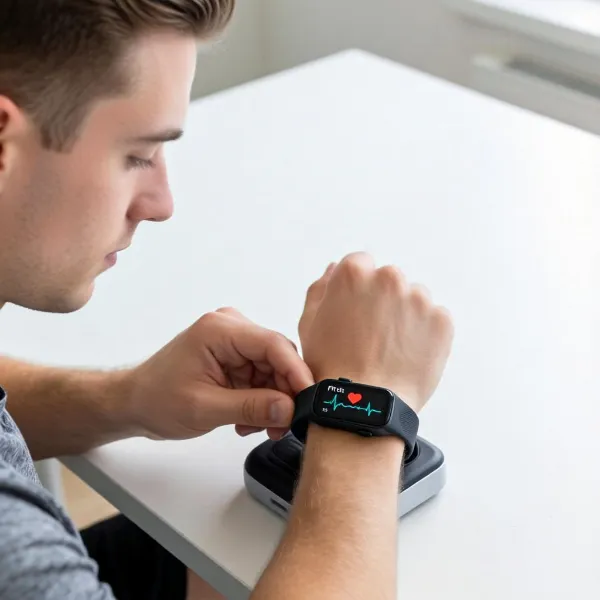
Fitbit devices use optical heart rate sensors that detect blood flow through your skin. These sensors measure the time between each heartbeat. By analyzing these intervals, Fitbit calculates your HRV. While this method is convenient, it's less precise than electrocardiogram (ECG) sensors, which directly measure electrical heart activity. Fitbit HRV is great for tracking general trends, but it's not as reliable for clinical purposes.
Tracks HRV Mostly During Sleep
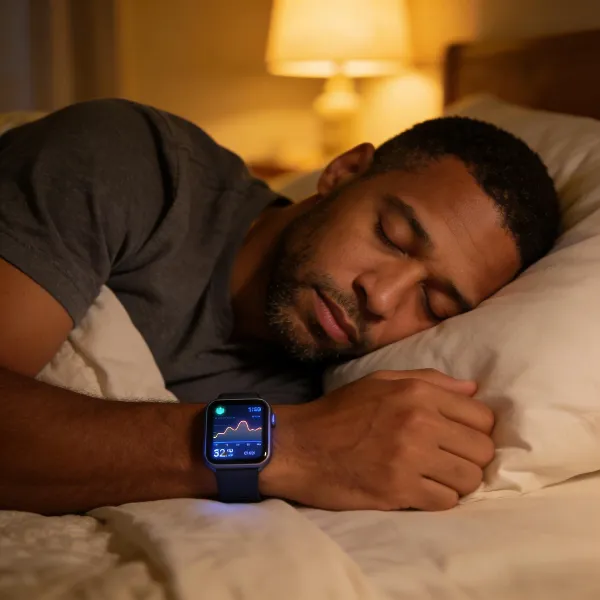
Fitbit tracks your HRV primarily during sleep, which is a great time for more consistent measurements. Sleep provides a stable environment with fewer external influences (like exercise or stress), so your HRV readings during sleep tend to be more reliable. By measuring HRV while you sleep, Fitbit can give you a better idea of your body’s recovery and overall stress levels.
Shows Trends Instead of Medical Readings
It’s important to remember that Fitbit HRV is intended to show trends rather than offer precise medical readings. While it can help you track long-term patterns in your health, it’s not a tool for diagnosing medical conditions. If you need highly accurate HRV measurements for medical reasons, consider an ECG device or consult with your healthcare provider.
How Accurate Is Fitbit HRV?
Fitbit HRV is a solid tool for everyday wellness tracking, but it’s not perfect. Let’s look at its strengths and limitations.
Useful for Daily Trends
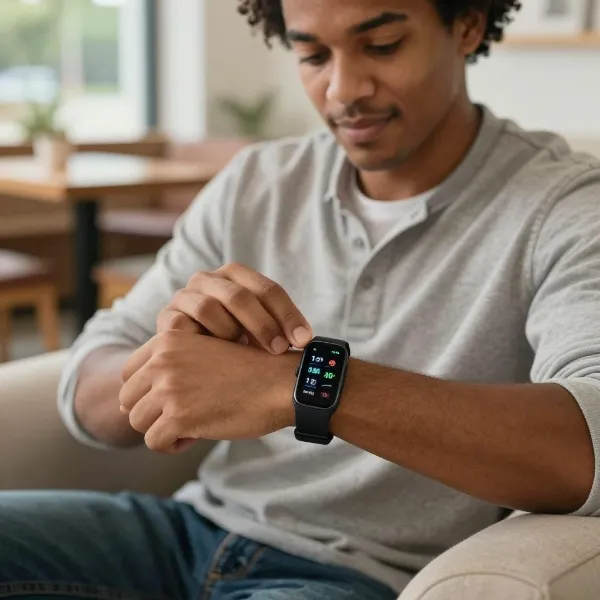
Fitbit’s HRV tracking is best for spotting trends in your health. For example, you may notice a drop in HRV after a stressful week or an increase after taking a break from intense exercise. These trends can help you understand how your lifestyle and recovery are affecting your overall health. The key benefit of Fitbit HRV is its ability to track changes over time, giving you valuable insights into your wellness.
Less Reliable Than ECG Devices
Although Fitbit provides useful HRV data, it is not as accurate as medical-grade ECG devices. ECG devices measure electrical activity directly from your heart, offering far more precise readings. Fitbit’s optical sensors, on the other hand, can be influenced by factors like wrist fit, movement, or skin tone. While Fitbit HRV is great for tracking general trends, it won’t offer the same level of accuracy as an ECG.
What Affects Fitbit HRV Accuracy?
Several factors can affect the accuracy of Fitbit’s HRV readings. Let’s explore these influences and how to minimize them.
Sensor Quality and Wrist Fit
The quality of the sensor and how you wear your Fitbit are crucial for accurate HRV readings. If your Fitbit is too loose on your wrist, the sensor may not make proper contact with your skin, leading to inaccurate readings. Make sure your Fitbit fits snugly (but comfortably) to get the most accurate results. Older Fitbit models with lower-quality sensors may also be less reliable, so consider upgrading if you’re using an older version.
Movement During Readings
Movement can interfere with Fitbit’s HRV measurements. If you’re moving while the device is trying to track your HRV, it may distort the readings. Fitbit does most of its HRV tracking during sleep, but if you wear it during other activities, be aware that movement can affect the data. To get the best results, try to keep still when tracking HRV or use it during sleep when you’re least likely to move.
Sleep, Stress, and Recovery
HRV is influenced by your sleep, stress levels, and recovery. A poor night’s sleep or high stress can lower your HRV temporarily, while rest and recovery can increase it. Fitbit HRV provides useful information about how your body is responding to these factors, but keep in mind that fluctuations in HRV are normal and part of everyday life. Monitoring HRV over time can help you spot patterns and identify factors that affect your health.
Temperature and Exercise
External factors like temperature and physical activity can also influence HRV readings. For example, cold weather can constrict blood vessels and affect how well the optical sensors work. Likewise, if you exercise just before tracking HRV, your heart rate may still be elevated, affecting the reading. To get the most accurate data, try to track HRV when your body is at rest, and avoid extreme temperatures or intense activity right before tracking.
How to Get Better HRV Readings
Want to improve the accuracy of your Fitbit’s HRV readings? Here are a few simple tips to get the most reliable results:
Wear Your Fitbit Snugly
For the most accurate HRV readings, make sure your Fitbit is worn snugly on your wrist, but not too tight. The device should stay in place during the night so the optical sensor can work properly. A loose or sliding Fitbit may not be able to track HRV effectively, so adjust the fit to ensure it stays securely in place.
Track HRV During Sleep
Fitbit tracks HRV most accurately during sleep, so it’s best to wear your device while you rest. This is when your body is calm and unaffected by physical activity or stress, providing more consistent readings. If possible, track HRV while you’re asleep rather than during the day for the most reliable results.
Keep Your Routine Consistent
Consistency is key when tracking HRV. Try to go to bed and wake up at the same time each day, and maintain a stable routine. This will help you get the most accurate and meaningful data over time. Additionally, try to minimize major lifestyle changes that could drastically affect your HRV, such as inconsistent sleep patterns or extreme stress.
Why HRV Matters
HRV is a useful metric that can give you insight into your body’s stress levels, recovery, and overall health. Here’s why it’s worth paying attention to:
Shows Stress and Recovery
HRV is an important indicator of how your body is recovering from stress. Higher HRV generally means better recovery, while lower HRV may indicate stress or fatigue. Tracking HRV can help you understand how your body responds to exercise, mental strain, or illness, and it can guide you in making healthier lifestyle choices.
Helps Spot Changes Over Time
HRV is not just a snapshot of your health—it’s a window into how your body changes over time. By tracking HRV regularly, you can notice shifts that could indicate potential health issues or improvements. For example, a sudden drop in HRV may suggest that you’re overtraining or not recovering well, while a steady increase may show that your fitness and recovery habits are paying off.
Adds Context to Your Health Data
When combined with other health metrics, like sleep quality and heart rate, HRV provides additional context that helps you interpret your overall wellness. For example, if your heart rate is higher than usual and your HRV is lower, it could indicate that you’re not fully recovering from previous workouts or that stress is taking a toll on your body. HRV adds an important layer of information to your Fitbit data, helping you make better decisions for your health.
Conclusion
Fitbit is a great tool for tracking heart rate variability, offering valuable insights into your recovery, stress, and overall health. While it's not as accurate as medical devices like ECGs, it provides useful trends that can help you improve your wellness. By wearing your Fitbit correctly, tracking HRV during sleep, and maintaining a consistent routine, you can get the most accurate and useful data. Want to dive deeper into recovery? Check out our guide on wearable devices for recovery, or read our full review of Fitbit for fitness and health tracking. Looking to improve your wellness? Check out our top tips for better sleep tracking!